
-
We’re currently investigating an issue related to the forum theme and styling that is impacting page layout and visual formatting. The problem has been identified, and we are actively working on a resolution. There is no impact to user data or functionality, this is strictly a front-end display issue. We’ll post an update once the fix has been deployed. Thanks for your patience while we get this sorted.
You are using an out of date browser. It may not display this or other websites correctly.
You should upgrade or use an alternative browser.
You should upgrade or use an alternative browser.
Truma Ultraheat Fire - Heater Element Replacement
- Thread starter shelleyp
- Start date



Damian
Moderator
Thank you for your replies. I have managed to get the wires off. It was an auto electrician who my husband uses at his garage who has diagnosed it as been the possible fault!
Thank you for that info.
I hope all goes well and that you cure the problem.
Thank you for that info.
I hope all goes well and that you cure the problem.
TODs is that the temperature sensors located at the front? Will replace them as well and hopefully fingers crossed that will fix the problem. If not it looks like it could be the PCB.
Many thanks
There are two. Known as Thermal Overload Devices. One cuts out at 175deg c, and does not reset. the other cuts out at 125 deg c but as it cools resets.
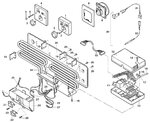
Apuljack sell them at good prices. See the diagram I posted , parts noted as 21 &22. It is unusual for both main elements to fail simultaneously. Did the garage chap check the continuity of both elements? Hope you get it working.
Apuljack sell them at good prices. See the diagram I posted , parts noted as 21 &22. It is unusual for both main elements to fail simultaneously. Did the garage chap check the continuity of both elements? Hope you get it working.
There are two. Known as Thermal Overload Devices. One cuts out at 175deg c, and does not reset. the other cuts out at 125 deg c but as it cools resets.
Apuljack sell them at good prices. See the diagram I posted , parts noted as 21 &22. It is unusual for both main elements to fail simultaneously. Did the garage chap check the continuity of both elements? Hope you get it working.
No he didn't! Could be £80 wasted for the part. For what the TODs cost will replace them as well. Could end up been cheaper buying a new fire lol.
Many thanks for your help.
Shelley,
I have to ask, before the Prof does, have you removed the entire fire from the caravan including the flue and gas connection? Both are safety critical connections one requiring a new seal on each disconnection. Incorrect fitting wi cause a potential gas explosion and or carbon monoxide entering the caravan!
I have to ask, before the Prof does, have you removed the entire fire from the caravan including the flue and gas connection? Both are safety critical connections one requiring a new seal on each disconnection. Incorrect fitting wi cause a potential gas explosion and or carbon monoxide entering the caravan!
Hi. Sorry this is an old thread but joined the group. I have the same problem with no heat at any setting. I have power coming out the board so I'm guessing it will be the TOD,s. These are situated behind the gas section. How do you get to them or do you need to remove the gas section?There are two. Known as Thermal Overload Devices. One cuts out at 175deg c, and does not reset. the other cuts out at 125 deg c but as it cools resets.
Apuljack sell them at good prices. See the diagram I posted , parts noted as 21 &22. It is unusual for both main elements to fail simultaneously. Did the garage chap check the continuity of both elements? Hope you get it working.
Thanks
Stu
Depending on make and model you may be able to access the rear of the heater. Otherwise the while unit, section by section needs removing . It involves gas and flue joints and is not something to be attempted by an unqualified person. Note the flue gasket MUST be replaced with new.Hi. Sorry this is an old thread but joined the group. I have the same problem with no heat at any setting. I have power coming out the board so I'm guessing it will be the TOD,s. These are situated behind the gas section. How do you get to them or do you need to remove the gas section?
Thanks
Stu
Thanks for reply. I thought that might be the case. Think I will get them changed on the service to be on the safe side.Depending on make and model you may be able to access the rear of the heater. Otherwise the while unit, section by section needs removing . It involves gas and flue joints and is not something to be attempted by an unqualified person. Note the flue gasket MUST be replaced with new.
Before replacing elements measure their resistance NB they are just one big resistor that runs hot. I'm going guess resistance is 100s ohms. If open circuit >1Mohm then probably faulty. Just make sure there aren't any thermal fuses in circuit that your've overlooked, should be obvious once you've remove element.
Measure element again once it is out as other components in circuit can affect resistance reading.
Measure element again once it is out as other components in circuit can affect resistance reading.
The TODs are the thermal overload fuses!Before replacing elements measure their resistance NB they are just one big resistor that runs hot. I'm going guess resistance is 100s ohms. If open circuit >1Mohm then probably faulty. Just make sure there aren't any thermal fuses in circuit that your've overlooked, should be obvious once you've remove element.
Measure element again once it is out as other components in circuit can affect resistance reading.
Before replacing elements measure their resistance NB they are just one big resistor that runs hot. I'm going guess resistance is 100s ohms. If open circuit >1Mohm then probably faulty. Just make sure there aren't any thermal fuses in circuit that your've overlooked, should be obvious once you've remove element.
Measure element again once it is out as other components in circuit can affect resistance reading.
These will be close to elements blow if temperature gets to high. Typically because heater outlet is blocked or fan has stopped in case if forced air heater.The TODs are the thermal overload fuses!
The two TODs are different. One cuts out at 125deg C cools and resets. The other permanently cuts out at 175degs C. It does not resetThese will be close to elements blow if temperature gets to high. Typically because heater outlet is blocked or fan has stopped in case if forced air heater.
175deg stat does reset but its what's known as a 'self hold', when it trips it has an internal element that is connected that keeps it off until 240v is disconnected from heater, the stat itself can then cool down and resets automatically.The two TODs are different. One cuts out at 125deg C cools and resets. The other permanently cuts out at 175degs C. It does not reset
Didn’t know that Gary. Amazing what we get taught word of mouth! Thankyou👏👏175deg stat does reset but its what's known as a 'self hold', when it trips it has an internal element that is connected that keeps it off until 240v is disconnected from heater, the stat itself can then cool down and resets automatically.
The other point I should have made is the 175deg is actually a fail safe, so the need to operate means the 125deg didn't and therefore it's that one that's faulty.
Overall though neither should be required to operate but using gas and electric together without enough fan speed to disperse the extra heat effectively is common reason. So it's essential while using gas with electric, that fan control is set at 'A' (auto) with maximum speed set on dial.
Overall though neither should be required to operate but using gas and electric together without enough fan speed to disperse the extra heat effectively is common reason. So it's essential while using gas with electric, that fan control is set at 'A' (auto) with maximum speed set on dial.

Also problems can arise if the fan has become clogged with dust and hairs, or if the hot air outlets are closed or blocked.The other point I should have made is the 175deg is actually a fail safe, so the need to operate means the 125deg didn't and therefore it's that one that's faulty.
Overall though neither should be required to operate but using gas and electric together without enough fan speed to disperse the extra heat effectively is common reason. So it's essential while using gas with electric, that fan control is set at 'A' (auto) with maximum speed set on dial.
TRENDING THREADS
-
-
 Mandatory eye tests for drivers over 70 being proposed by HMG. Good or bad?
- Started by Dustydog
- Replies: 227
-
-
 Caravan Battery we think is dead even though we have solar
- Started by Saxo Appeal
- Replies: 172
-
-
-
When does a repeated failure over say ten years become a Product Recall , if at all?
- Started by Dustydog
- Replies: 9

