Gas in Europe.

Jan 2, 2024
33
9
535
Dear Colleagues,

We are going to Europe (multiple destinations/countries) for a long winter trip. We would like to use gas over there. Are there any universal solutions? Any specific bottles to use/refill? Any specific adaptors needed?

I would like to order everything I may need here in the UK before our departure. Any advice is appreciated.

TIA,
Alex
 
Jun 16, 2020
5,804
2,724
17,935
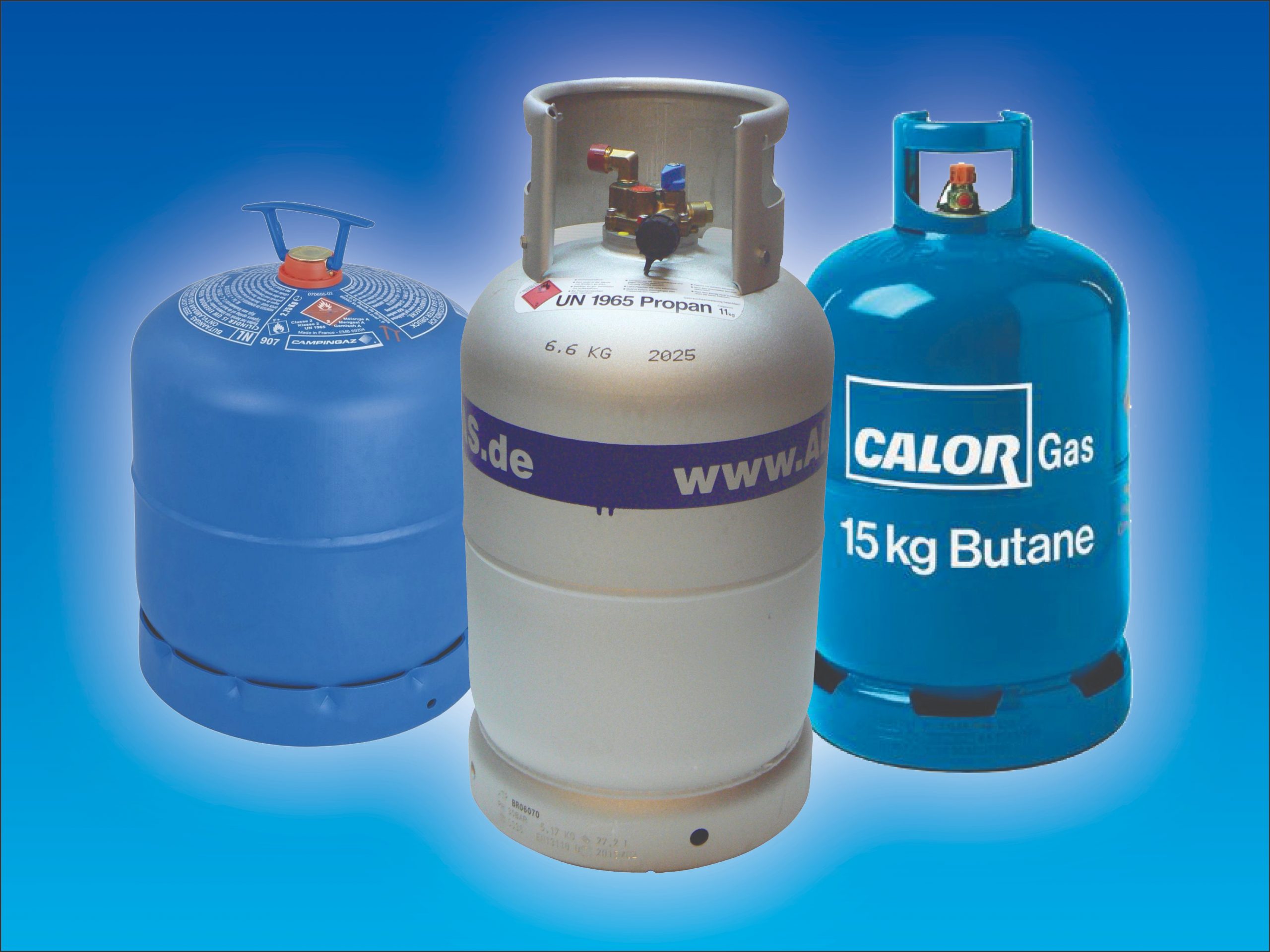
I think the most universal and available is GAZ. but it is much more expensive. Still might be a solution for convienace.

John
 
Mar 14, 2005
10,131
934
40,935
Belgium, Germany, The Netherlands, and Austria all have gas bottles with the same connection, so they are fully interchangeable. Likewise Spain and Portugal, also Norway, Sweden and Finland. Most campsites in Denmark are able to exchange German gas bottles. A set of Euro-Adapters is well worth getting and will cover you for these and most other countries if you need to buy a gas bottle locally. Note that, for fiscal reasons, Italy does not allow Safefill gas bottles to be filled at LPG stations.
 
Last edited:
Jan 2, 2024
33
9
535
Belgium, Germany, The Netherlands, and Austria all have gas bottles with the same connection, so they are fully interchangeable. Likewise Spain and Portugal, also Norway, Sweden and Finland. Most campsites in Denmark are able to exchange German gas bottles. A set of Euro-Adapters is well worth getting and will cover you for these and most other countries if you need to buy a gas bottle locally. Note that, for fiscal reasons, Italy does not allow Safefill gas bottles to be filled at LPG stations.
Thank you, very helpful.
 
Nov 11, 2009
25,457
9,286
50,935
Campinggaz is universal but as said above expensive. I just turfed in an unwanted empty bottle which if I’d purchased it would have cost between £35-40 empty. Then there’s the cost of the gas. A new refilled cylinder was £79 for 1.8 kg of gas. So nearly as much for the gas as an empty cylinder. The larger 907 cylinder can be purchased but the gas alone costs £40 and require either a new cylinder to be purchased or an empty cylinder exchanged for a full one holding 2.75 kg of gas.

Best to go with Lutz recommendations.

Gaslow and Hamilton Gas Products sell good quality items and have a good technical service. Go fir propane in winter as butane looses effectiveness as temperatures approach freezing.

PS cylinders containing LPG are fine for winter as it’s used to power cars etc.
 
Last edited:
  • Like
Reactions: Alex_Makarov
Nov 24, 2025
10
7
15
we installed a gaslow 11kg refillable bottle in our caravan, bought the 3 different nozzle adapters, and have had no problems all over the place in europe for the last 2 months. lpg seems to be available at every other gas station we pass, so it's been no problem keeping topped up. very pleased
 
Jan 3, 2012
11,163
2,619
40,935
Our latest caravan had gaslow 6kg refillable and a automatic changeover gauge and nozzle adapters , i think the previous owner took it abroad .
 
  • Like
Reactions: Alex_Makarov
Jan 2, 2024
33
9
535
we installed a gaslow 11kg refillable bottle in our caravan, bought the 3 different nozzle adapters, and have had no problems all over the place in europe for the last 2 months. lpg seems to be available at every other gas station we pass, so it's been no problem keeping topped up. very pleased
Does it mean you need to take a caravan to a gas station every time you need a refill the bottle?
 

JTQ

May 7, 2005
4,098
1,826
20,935
PS cylinders containing LPG are fine for winter as it’s used to power cars etc.

If this is referring to LPG sold for automotive engines, then I would be very guarded in that automotive ICE use is "liquid take off" based, whereas for our camping we need to have LPG blended for "vapour take off".
Reportedly on motorhoming forums there is from this an inherent problem. I have not myself encountered the issue, just aware others have.

Here in the UK its not a problem in that the automotive LPG is very close to 100% propane, however, unless things have altered in recent times much of Europe used a blend of propane and butane.

This if habitually used in our camping vapour take off applications, and where where being refilled, then there in low ambient tends to be a progressive build up of liquid butane left in the bottle.

The consequences can be a reduction of the bottle's available capacity for the more volatile propane. This can be cured by depleting the bottle in warmer temperatures, where all the butane can vaporise.
 
Last edited:
Nov 16, 2015
12,513
4,663
40,935
Does it mean you need to take a caravan to a gas station every time you need a refill the bottle?
Last time, we toured France for 6 weeks, 6 years ago, and I took 3 Calor lites. October time. Only used 1 and a half.
But I noticed people filling just bottles in fuel stations with LPG. I don't know what type of bottles they were, but smallish.
Maybe ask a Motorhome forum as to what they do.
When I'm pulled into service stations with the van on the back, often I was waved into the commercial pumps, easier to get in and out of. .
 
Nov 11, 2009
25,457
9,286
50,935
In Europe autogas/lpg mixtures change in relation to the season and some countries have a legal requirement for the propane ratio to be increased by 1 December. Perhaps those who experienced problems had cylinders still filled with summer European blend of autogas. Or if in warmer climes the blends do not always contain the highest ratio of propane in winter. So they may have topped up in Spain and encountered issues in a cold snap, or en route back.


Last edited:
Nov 6, 2005
9,238
3,713
30,935
In Europe autogas/lpg mixtures change in relation to the season and some countries have a legal requirement for the propane ratio to be increased by 1 December. Perhaps those who experienced problems had cylinders still filled with summer European blend of autogas. Or if in warmer climes the blends do not always contain the highest ratio of propane in winter. So they may have topped up in Spain and encountered issues in a cold snap, or en route back.


Clearly, if "old stock" of LPG is still being used up when moving to a colder climate it may give issues - this also applies to diesel in fuel tanks because the timing of winter diesel varies across Europe as well as the specification.
 
Mar 14, 2005
19,214
4,390
50,935
Both the Propane and Butane you typically buy is what is known as commercial grade. These are rarely 100% a single type of gas they are usually a mixture of several HydroCarbon LPG's that together can meet the international standards for commercial sale.
LPG stands for Liquefied Petroleum Gas, becasue each of these gasses can be reasonably cooled or compressed into their liquid phase, which allows practical storage and distribution in pressurised cylinders.

Cylinders sold as Butane or Propane should contain a significant majority of the named LPG, but there will also be a minority mixture of several other LPG gasses which might consist of :

Isobutane: C4H10C sub 4 H sub 10
Propylene (Propene): C3H6C sub 3 H sub 6
Butylene (Butene): C4H8C sub 4 H sub 8
Ethane: C2H6C sub 2 H sub 6
Methane: CH4CH sub 4
Pentanes and Heavier Hydrocarbons: C5H12C sub 5 H sub 12

There are some legal limits for some of the minority constituents

ethyl mercaptan (ethanethiol), stenching agent with trace amounts of sulfur compounds (e.g., hydrogen sulfide) or methanolt is added for safety to allow the detection of leaks by smell, as both pure propane and butane are odorless.

An anti-icing agent might also be present, depending on the purification process.
 

TRENDING THREADS

Latest posts