
Whatever device you use to test the new joint it is supposed to be mandatory to do a pressure drop test using a manometer. Such test is part of the annual habitation service . The norm is to do the test over 5 minutes. If the pressure drops then you have a leak.
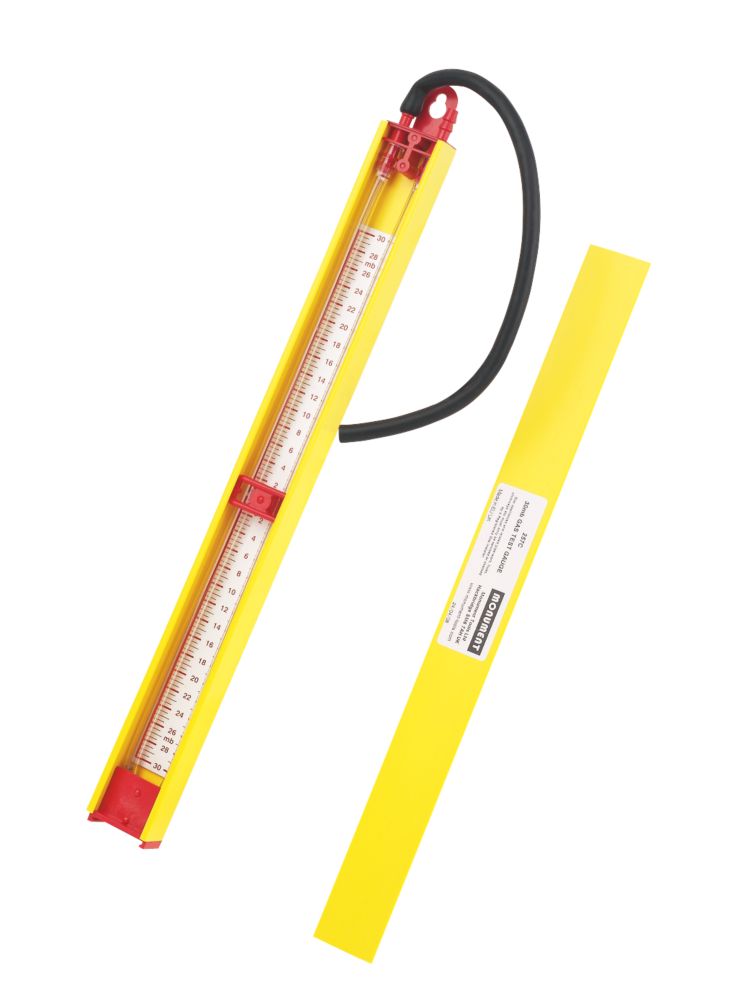
Monument Tools 30mb Gas Test Gauge - Screwfix
Order online at Screwfix.com. Tests installed pipework for leaks prior to introduction of gas, checks and sets correct gas pressures on domestic and commercial appliances. Scale adjusts to zero water level. Marked in millibars. FREE next day delivery available, free collection in 1 minute.www.screwfix.com

-
We’re currently investigating an issue related to the forum theme and styling that is impacting page layout and visual formatting. The problem has been identified, and we are actively working on a resolution. There is no impact to user data or functionality, this is strictly a front-end display issue. We’ll post an update once the fix has been deployed. Thanks for your patience while we get this sorted.
You are using an out of date browser. It may not display this or other websites correctly.
You should upgrade or use an alternative browser.
You should upgrade or use an alternative browser.
Faulty regulator ?
Page 2 - Passionate about caravans & motorhome? Join our community to share that passion with a global audience!
- Status
- Not open for further replies.
Perversely some caravan manufacturers won't pay dealers to do a pressure test after gas appliance repairs under warranty - the best dealers will do one anyway but the cheapskates won't.Whatever device you use to test the new joint it is supposed to be mandatory to do a pressure drop test using a manometer. Such test is part of the annual habitation service . The norm is to do the test over 5 minutes. If the pressure drops then you have a leak.
Monument Tools 30mb Gas Test Gauge - Screwfix
Order online at Screwfix.com. Tests installed pipework for leaks prior to introduction of gas, checks and sets correct gas pressures on domestic and commercial appliances. Scale adjusts to zero water level. Marked in millibars. FREE next day delivery available, free collection in 1 minute.

What should be done, and what is done, is totally different.Al let-by test, stabilisation test and tightness test should be carried out priory to and after any gas repairs where pipes are moved/disconnected

It is a legal requirement, and failure to do so is a criminal act. The problem is such things are rarely fully monitored, and short cuts or omissions are not always detected.What should be done, and what is done, is totally different.
If what Roger L tells is correct about the manufacturers not paying dealers to complete such checks after warranty repairs that affect the gas system, it just shows how calous they are with safety.
But the legal duty lies with the fitter that undertakes the work, and they should not allow any gas installation to be used until it has passed the statutory tests.
As I stated, What should be done and what is done, can be different.It is a legal requirement, and failure to do so is a criminal act. The problem is such things are rarely fully monitored, and short cuts or omissions are not always detected.
If what Roger L tells is correct about the manufacturers not paying dealers to complete such checks after warranty repairs that affect the gas system, it just shows how calous they are with safety.
But the legal duty lies with the fitter that undertakes the work, and they should not allow any gas installation to be used until it has passed the statutory tests.
In all trades.
I knew my legal requirements when certifying my work. And the concecuences.

......I suspect the OP is long gone as he posted he didn't want a long debate!
His picture shows an older cooker fitted to his caravan so that points to a bottle top regulator. These were recommended to be replaced with new on a regular basis....I believe the recommendation is 5 years.
His picture shows an older cooker fitted to his caravan so that points to a bottle top regulator. These were recommended to be replaced with new on a regular basis....I believe the recommendation is 5 years.

The Amazon web site is not comprehensive . The instructions for the device however, are and indicate compliance with UKCA https://www.gov.uk/guidance/ukca-marking-conformity-assessment-and-documentation and RoHS https://www.gov.uk/guidance/rohs-compliance-and-guidanceI have to urge caution about using such a device. From the information on the Amazon web site I could find no information about what standards it has been manufactured to or what approvals it may have and it it has been calibrated and has a confidence level for its measurements. Consequently it should not be relied on to be able to accurately measure gas concentrations.
Secondly as there is no evidence of manufacturing standards, and at least on review clearly has reservations about the quality of its construction, I could not even suggest it is intrinsically safe to use in areas where combustible gas might be present. An internal sparking contact could just be the source of ignition needed to cause a flash over.
Unless there are recognised approvals which have not been identified in listing for this product, my advice has to be "steer well clear of cheaply made, unapproved measurement devices like this" they may not detect what you are actually looking for.
That should be good enough for most but the 'pickiest' .
Not for me!The Amazon web site is not comprehensive . The instructions for the device however, are and indicate compliance with UKCA https://www.gov.uk/guidance/ukca-marking-conformity-assessment-and-documentation and RoHS https://www.gov.uk/guidance/rohs-compliance-and-guidance
That should be good enough for most but the 'pickiest' .
For a device that is to detect or measure the presence of combustible gasses which is a very hazardous activity. I would be looking at least for an "intrinsically safe" and other gas specific approvals.
I take it you are 'Gas Safe'. Short of work ?Not for me!
For a device that is to detect or measure the presence of combustible gasses which is a very hazardous activity. I would be looking at least for an "intrinsically safe" and other gas specific approvals.

Then on your head be it, if it goes boobs up then good luckAs I stated, What should be done and what is done, can be different.
In all trades.
I knew my legal requirements when certifying my work. And the concecuences.
A let bye test is to see if the gas bottle is letting gas out when the bottle tap is off, so you would be looking for a raise in pressure, this test is done between 7-10Mb on a water gauge or digital garageIn English? What is a Al let-by test,? PCB?
Isn't it wonderful how some typos can change thingsA let bye test is to see if the gas bottle is letting gas out when the bottle tap is off, so you would be looking for a raise in pressure, this test is done between 7-10Mb on a water gauge or digital garage
A let bye, isn't that a tennis or cricketing term?
Wow ... I've never seen a water gauge big enough to cope with 10Mb!!! 🤓 that would need to be 320,000,000 feet tall.
And what is a digital garage?
Slight tangent - on our previous two caravans I used a Gaslow cylinder-mounted regulator which had a gauge on it - at the end of a site stay I'd turn the cylinder off and when I got home after several hours towing I'd check the gauge, if it was still up to pressure then nothing leaked - not a replacement for the annual manometer check but a useful addition.
Only if its carried out correctly. It's one thing having test gear, but its also essential to know how to use it safely and properly.And surely the Manometer pressure drop test is the benchmark for proving the new joints are gas tight??
I've lost count of the number of times I've had to educate mainly new colleagues on how to use a multimeter correctly. usually after they've managed to try to measure Voltage after setting the meter and leads to current.......
One of the aspects of proper training to use gear is to understand the limitations of equipment, and also to know what factors can corrupt readings - the management of uncertainty.
What a sad world we live in! I agree but training the trainer seems to be the excuse of not doing it correctly😉Only if its carried out correctly. It's one thing having test gear, but its also essential to know how to use it safely and properly.
I've lost count of the number of times I've had to educate mainly new colleagues on how to use a multimeter correctly. usually after they've managed to try to measure Voltage after setting the meter and leads to current.......
One of the aspects of proper training to use gear is to understand the limitations of equipment, and also to know what factors can corrupt readings - the management of uncertainty.
So true Dusty D, in my Aviation career, every six month we were going through a week's refresher course. On each aircraft type. It almost seemed as though we never worked on the aircraft.What a sad world we live in! I agree but training the trainer seems to be the excuse of not doing it correctly😉
And then updating the computers for workshop manuals, another monthly PITA. Due to a typo error previously.
🥱Isn't it wonderful how some typos can change things
A let bye, isn't that a tennis or cricketing term?
Wow ... I've never seen a water gauge big enough to cope with 10Mb!!! 🤓 that would need to be 320,000,000 feet tall.
And what is a digital garage?
Um no, there is no point testing the gas system (with fuel) if you don’t know if the bottle is leaking as this can mask the leakAnd surely the Manometer pressure drop test is the benchmark for proving the new joints are gas tight??
was outside - but have ordered a new one - perhaps it should be coveredIs the regulator undercover in gas locker.if it's outside could of got water in it
I had mine outside .it got wet and had an adverse effect on gas fire,.could be liable to freeze if ambient temp drops to much.in the process of a few renovations and updates on my caravan one of which is to have bulkhead gas equipment fitted and replace empty propane bottles .Garywas outside - but have ordered a new one - perhaps it should be covered
Gas regulators have to have a breather hole to allow the regulator to compensate for changes in the barometric air pressure. The air hole is usually positioned so that rain will not naturally fall into it. However that is not the only way water can get inside. Regulators are designed to prevent high pressure gas from getting into the installation pipe work, so part of their action is to allow the high pressure gas to expand inside the regulator.
Expanding gas needs heat energy and it get that from the regulator body in just the same way as the gas cylinder does to enable the liquefied gas to vapourise, so the gas expansion will actually cool the regulator slightly diaphragm chamber , and that change in temperature given the right conditions could cause warm moist air to be drawn into the ambient air side of the regulator where it comes into contact with diaphragm which has cooler gas on the other side and any reduce the temperature of air in the chamber which could cause condensation to form.
If teh regulator is incorrectly orientated, and If sufficient water is collected, and the ambient temperature drops to about freezing, the cooling effect of the expanding gas might cause the layed down condensation to freeze, and prevent the diaphragm for properly responding to control the gas out flow pressure.
The incidence of this is low becasue gas regulators should have air side below the diaphragm should be orientated above the air space, so moisture will collect and hopefully be expelled through the breather hole, but where the regulator has not been correctly orientated there have been a few cases where the formation of ice has compromised the operation of the diaphragm and regulator.
Expanding gas needs heat energy and it get that from the regulator body in just the same way as the gas cylinder does to enable the liquefied gas to vapourise, so the gas expansion will actually cool the regulator slightly diaphragm chamber , and that change in temperature given the right conditions could cause warm moist air to be drawn into the ambient air side of the regulator where it comes into contact with diaphragm which has cooler gas on the other side and any reduce the temperature of air in the chamber which could cause condensation to form.
If teh regulator is incorrectly orientated, and If sufficient water is collected, and the ambient temperature drops to about freezing, the cooling effect of the expanding gas might cause the layed down condensation to freeze, and prevent the diaphragm for properly responding to control the gas out flow pressure.
The incidence of this is low becasue gas regulators should have air side below the diaphragm should be orientated above the air space, so moisture will collect and hopefully be expelled through the breather hole, but where the regulator has not been correctly orientated there have been a few cases where the formation of ice has compromised the operation of the diaphragm and regulator.
Am I correct in the belief the gas expansion would exasperate the cooling effect as per a fridge function making matters worse? Thank you for precise detailing above.GaryGas regulators have to have a breather hole to allow the regulator to compensate for changes in the barometric air pressure. The air hole is usually positioned so that rain will not naturally fall into it. However that is not the only way water can get inside. Regulators are designed to prevent high pressure gas from getting into the installation pipe work, so part of their action is to allow the high pressure gas to expand inside the regulator.
Expanding gas needs heat energy and it get that from the regulator body in just the same way as the gas cylinder does to enable the liquefied gas to vapourise, so the gas expansion will actually cool the regulator slightly diaphragm chamber , and that change in temperature given the right conditions could cause warm moist air to be drawn into the ambient air side of the regulator where it comes into contact with diaphragm which has cooler gas on the other side and any reduce the temperature of air in the chamber which could cause condensation to form.
If teh regulator is incorrectly orientated, and If sufficient water is collected, and the ambient temperature drops to about freezing, the cooling effect of the expanding gas might cause the layed down condensation to freeze, and prevent the diaphragm for properly responding to control the gas out flow pressure.
The incidence of this is low becasue gas regulators should have air side below the diaphragm should be orientated above the air space, so moisture will collect and hopefully be expelled through the breather hole, but where the regulator has not been correctly orientated there have been a few cases where the formation of ice has compromised the operation of the diaphragm and regulator.
- Status
- Not open for further replies.
TRENDING THREADS
-
-
Would you use an app that routes you safely to cheap CLs and farm stays?
- Started by robmacsparran
- Replies: 7
-

-
Mandatory eye tests for drivers over 70 being proposed by HMG. Good or bad?
- Started by Dustydog
- Replies: 227
-
-

-
 Caravan Battery we think is dead even though we have solar
- Started by Saxo Appeal
- Replies: 172


